
Why Your Garage Door Won’t Close in Parkersburg: Common Causes and Fixes
When your garage door won’t close in Parkersburg, it’s easy to assume the opener is at fault. However, it’s often the safety sensors doing their job to prevent accidents. Humidity and freeze-thaw cycles in the Ohio River Valley can also affect the sensors and the door, so it helps to know what to check first.
How the Safety Sensors Actually Work — and Why They Stop the Door
Modern garage doors rely on a pair of photoelectric sensors mounted close to the floor. These sensors emit and detect an infrared beam. If this beam is interrupted by anything — a misaligned sensor, dirt on the lens, or even corroded terminals — the door won’t close. The sensors communicate errors through blinking LED lights, indicating where the problem lies.
Over time, moisture can corrode the sensor wire terminals, which causes intermittent faults that look like misalignment. Before adjusting anything, check the sensor lights: if both stay steady, alignment is usually fine and the issue may be in the wiring. Light colors and blink patterns vary by brand, so check the opener’s manual.
⚠️ Important: Never bypass or tape over the safety sensors. These devices are essential for preventing injuries and are required by UL 325 standards.
Homeowners can attempt a few diagnostic tests: observe the LED lights for blinking, clean the sensor lenses, trace the wires for any damage, and manually block and unblock the beam to check for a response. If the sensors seem aligned but the door still won’t close, the issue might be with the wiring or logic board.
Other Reasons a Garage Door Won't Close — Beyond the Sensors
Aside from sensors, several other systems can cause your garage door to malfunction. These include travel limit settings, down-force adjustments, and physical obstructions. For instance, if the door reverses immediately after touching the floor, it’s likely a travel limit or force setting issue, not a sensor fault.
The down-force setting is crucial and often overlooked. Worn rollers, dry hinges, or a door that has gone out of balance add resistance, and the opener can read that resistance as an obstruction. Adjusting the down-force carefully is key, but never exceed manufacturer specifications, as this can create a safety hazard.
Ice or debris on the floor, or a floor that has settled unevenly, can make the door touch down early and reverse. For older chain-drive units, adjustments require a screwdriver on the motor head, not electronic buttons.
⚠️ Important: Never increase the down-force setting excessively. A door needing too much force to close indicates a mechanical issue that must be addressed.
To troubleshoot, disconnect the opener and manually lower the door. If it moves freely, the issue is likely in the opener’s settings. If it binds, you might have a hardware problem.
Quick DIY Fixes vs. When to Call for Garage Door Repair in Parkersburg
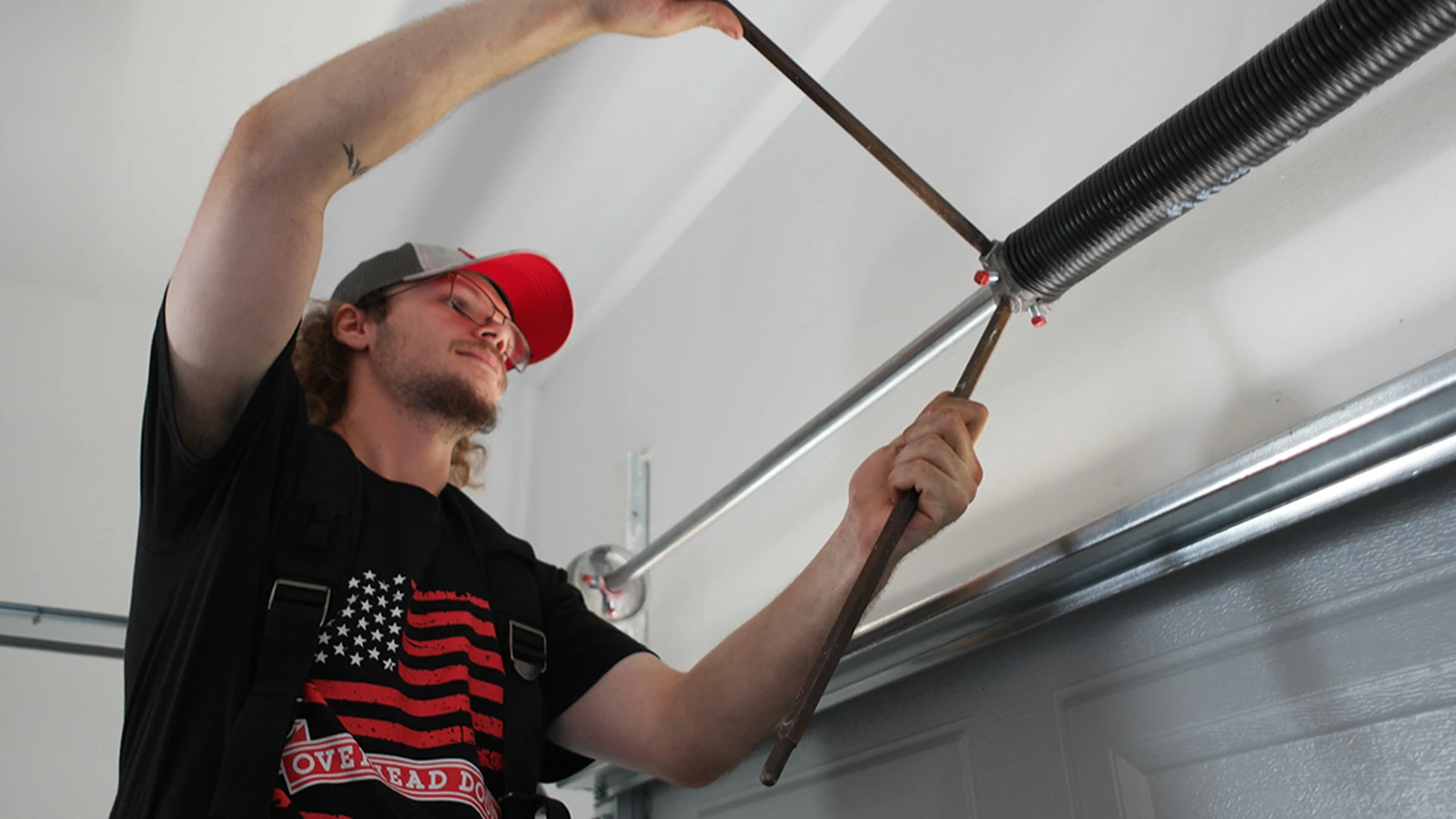
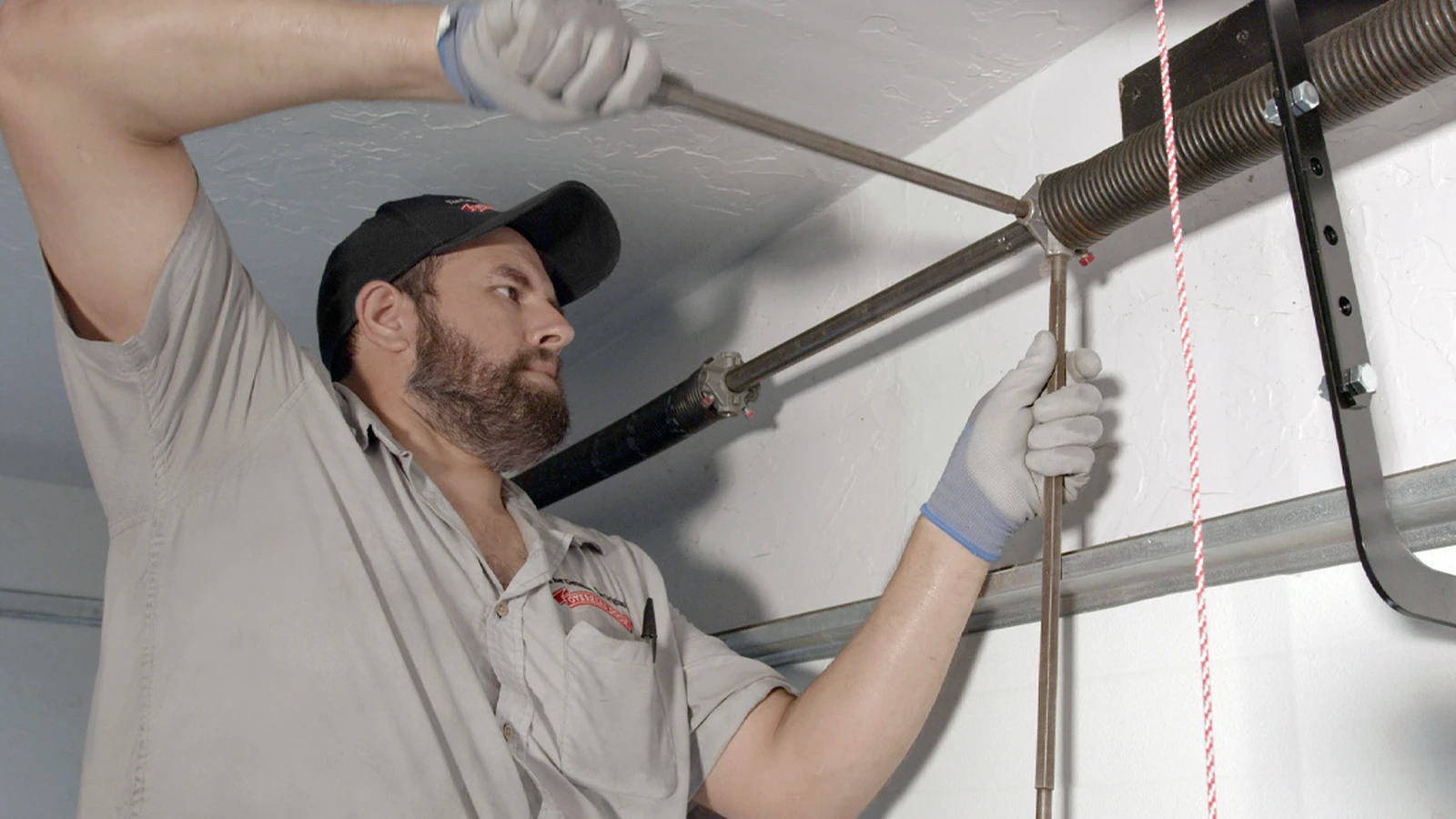
Homeowners can safely clean sensor lenses, adjust travel limits slightly, and realign sensor brackets. However, tasks involving spring tension or wiring beyond the sensors should be left to professionals due to the risks involved. Torsion springs, for example, store tremendous energy and can be dangerous if mishandled.
If your garage door passes a balance test — where it stays put when lifted halfway — it’s generally safe to make minor adjustments. However, if the door feels heavy or the springs appear damaged, professional intervention is necessary.
In Parkersburg’s older homes, extension springs are common and must have safety cables. If these are missing, repairing them is not a safe DIY task.
⚠️ Important: Spring adjustment and replacement are jobs for a trained technician. Never attempt them yourself.
Frequently Asked Questions
Why does my garage door go down then come back up in Parkersburg?
This usually means the down-travel limit is set too far, making the opener sense an obstacle. Adjust the limit in small increments. Also check for ice or debris where the door meets the floor.
How do I align garage door sensors in Parkersburg?
Loosen the bracket screw on the receiving sensor and adjust until the LED turns solid. Clean lenses before making adjustments. Also check the wire terminals for corrosion.
Can I bypass the safety sensors on my garage door to make it close?
Bypassing sensors is unsafe and not recommended. They are a legal safety requirement. Holding the wall button down is a diagnostic tool, not a permanent solution.
Why won't my garage door close when it's cold in Parkersburg, WV?
Cold weather can thicken old grease and stiffen weather seals, which adds resistance, and frost or ice can block the sensors or stop the door at the floor. Clearing ice and lubricating the moving metal parts with a garage door lubricant usually helps.
If your garage door won’t close in Parkersburg and these checks don’t solve it, the cause may be in the wiring, the opener settings, or the door hardware. Our technicians can find it and fix it safely. Contact our Mid-Ohio Valley team to schedule a visit.